
How Bone Grafts Enhance Dental Implant Success
Understanding Bone Grafts in Dental Implants
When considering dental implants, one crucial factor is the health and density of the jawbone. A strong, stable jawbone provides the necessary support for implants. However, not everyone has sufficient bone density. This is where bone grafts come into play, enhancing the success rate of dental implants by reinforcing the bone structure.
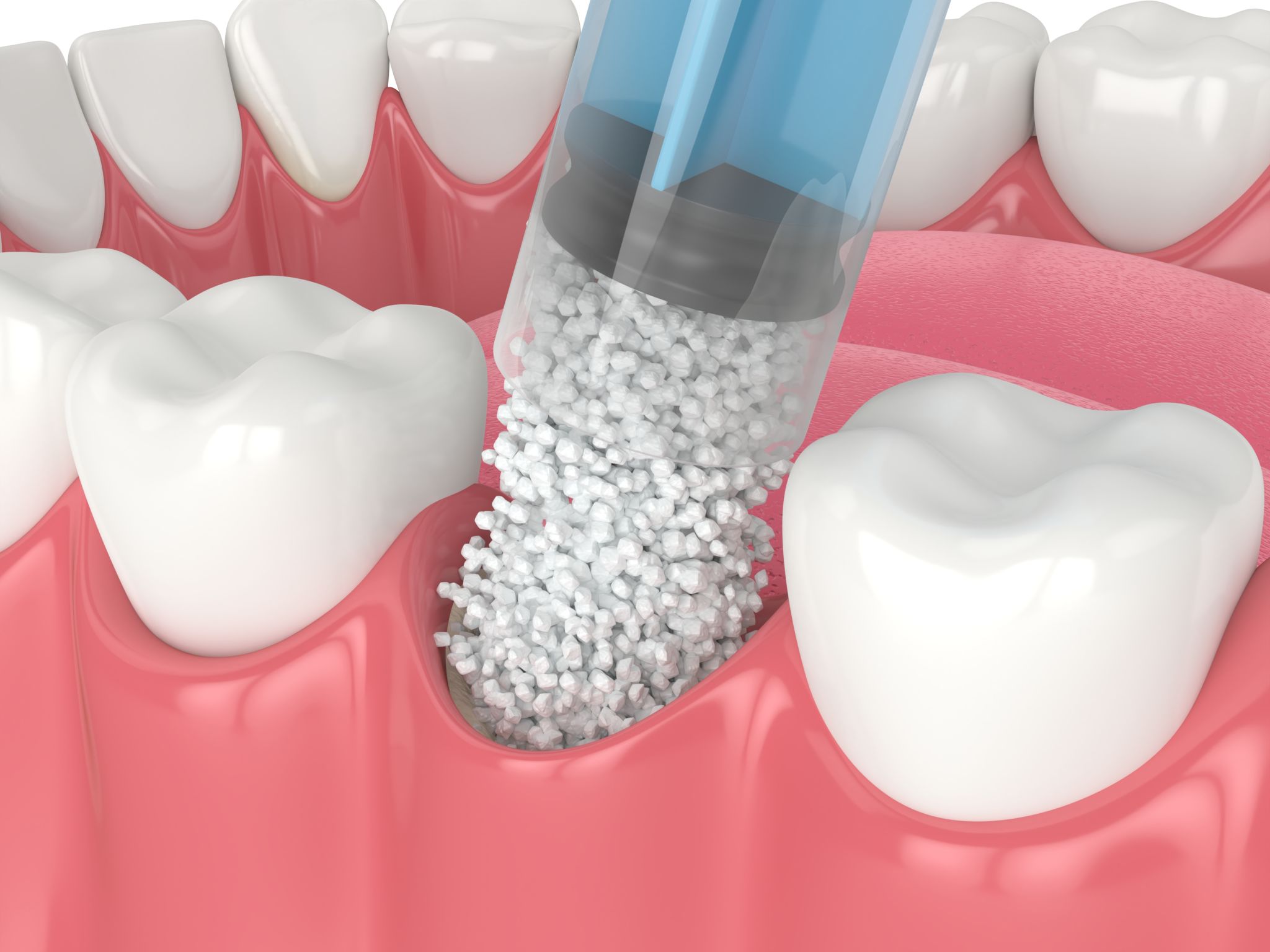
Bone grafting is a surgical procedure that uses transplanted bone to repair and rebuild diseased or damaged bones. It's a pivotal process for patients with insufficient natural bone due to injury, disease, or previous tooth extractions.

Why Bone Grafts Are Necessary
Several factors can lead to bone loss in the jaw, including periodontal disease, injury, and long-term tooth loss. Without adequate bone, dental implants cannot be securely anchored. Bone grafts provide a way to build up the bone, ensuring a stable foundation for the implant.
Bone grafting is often a prerequisite for successful dental implant placement. It helps prevent future bone loss and supports the surrounding teeth and tissues, leading to a more durable and lasting implant.

Types of Bone Grafts
There are several types of bone grafts used in dentistry, each suited for different situations:
- Autografts: Harvested from the patient’s own body, usually from the chin or hip.
- Allografts: Sourced from a human donor, processed to ensure safety and compatibility.
- Xenografts: Derived from animal sources, often bovine, and sterilized for human use.
- Alloplasts: Synthetic materials that mimic natural bone.
The Bone Grafting Procedure
The bone grafting procedure involves several steps. Initially, the area is numbed with anesthesia. The chosen graft material is then placed at the site needing augmentation. Over time, the graft integrates with the natural bone, promoting new bone growth.
This integration process can take several months, during which the patient may need to follow specific post-operative care instructions to ensure optimal healing and integration.
Benefits of Bone Grafting for Implants
Bone grafting has numerous benefits for dental implant success:
- Improved stability and support for implants.
- Prevention of further bone loss.
- Enhanced aesthetic outcomes with a more natural look.
- Increased longevity of the dental implant.
Conclusion
Bone grafts play a vital role in ensuring the success of dental implants. By providing a stable foundation and promoting bone regeneration, they enhance both the functionality and aesthetics of dental restorations. If you're considering dental implants, discuss the potential need for bone grafting with your dentist to ensure the best possible outcome.